 Fuel Filters
  Oil Filters
 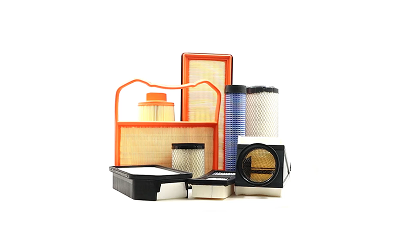 Air Filters
 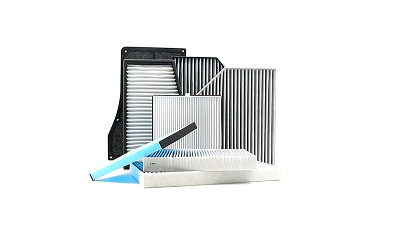 Cabin Filters
 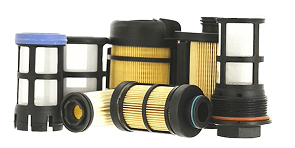 Other Filters

It’s one of the most common questions in vehicle maintenance, and one of the most poorly answered. Search online and you’ll find numbers all over the map: replace your air filter every 12,000 miles, or 15,000, or “every other oil change,” or “when it looks dirty.” The truth is that filter replacement intervals aren’t fixed — they depend on the filter, the vehicle, and how and where you drive. Here’s a practical guide to getting it right without overspending or under-maintaining.
Start With the Manufacturer, Then Adjust for Reality
Every vehicle comes with a recommended maintenance schedule, and it’s the right starting point. But those numbers assume relatively average conditions. If your driving is harder on filters than average — and most real-world driving is — you’ll want to shorten the intervals. Manufacturers often publish a separate “severe service” schedule for exactly this reason, and far more drivers fall into that category than realize it.
You’re likely a severe-service driver if you regularly do any of the following: drive on dusty or unpaved roads, sit in stop-and-go traffic, take frequent short trips, tow or carry heavy loads, or operate in extreme heat, cold, or humidity. If that sounds like your daily routine, plan to replace filters toward the shorter end of the recommended ranges.
General Guidelines by Filter Type
These ranges are a useful baseline for most passenger vehicles. Treat them as a framework, not a rule, and always defer to your owner’s manual where it’s more specific.
- Engine air filter: Typically every 15,000 to 30,000 miles, or every 12 months. Dusty environments can cut this dramatically — some drivers replace theirs twice as often.
- Oil filter: With every oil change, full stop. Whether your oil interval is 5,000, 7,500, or 10,000 miles, the filter goes with it. A fresh oil filter on old oil — or old filter on fresh oil — defeats the purpose of both.
- Fuel filter: Every 20,000 to 40,000 miles for many vehicles, though some modern cars use lifetime filters integrated into the fuel pump assembly. Check your manual, because this one varies widely by make.
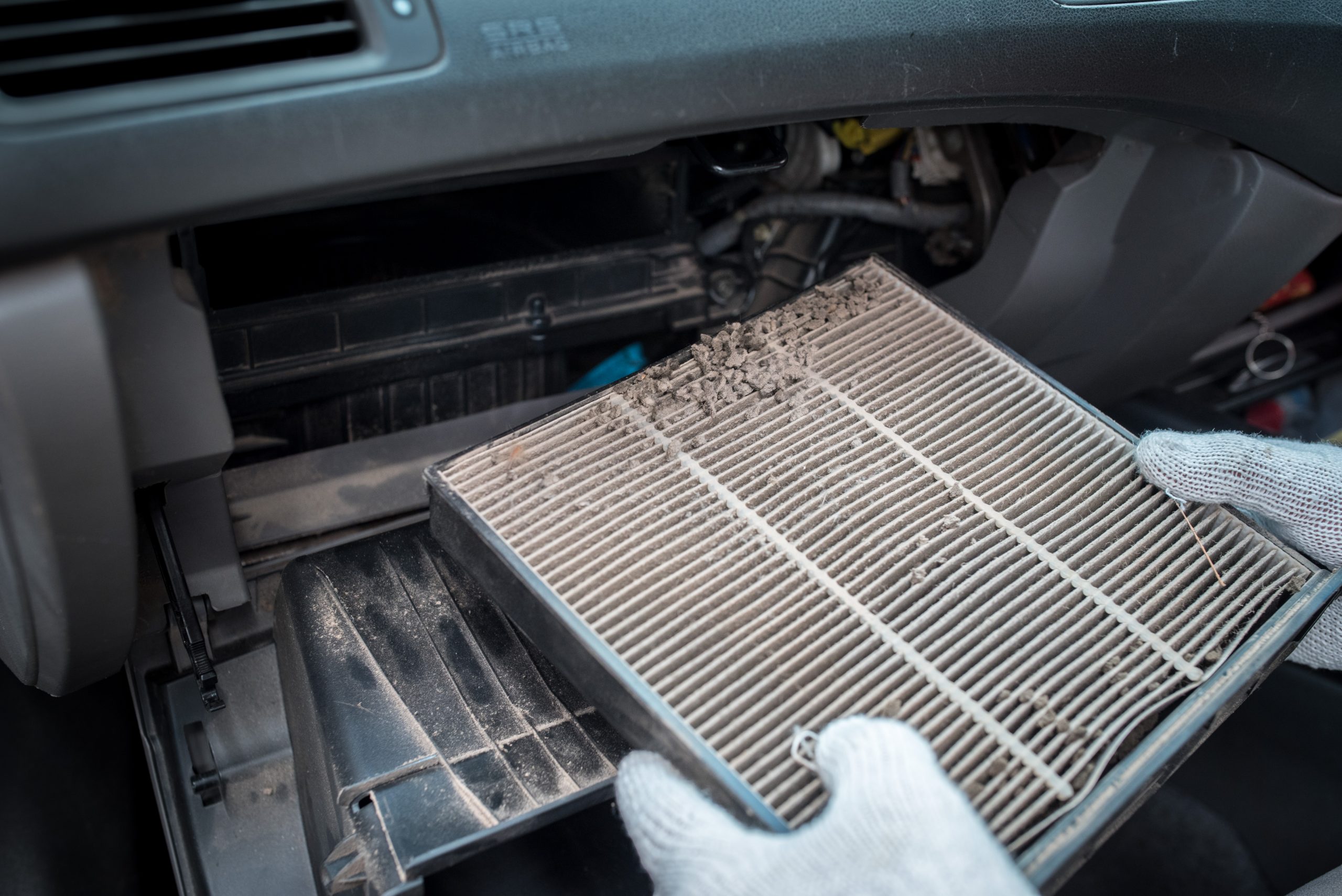
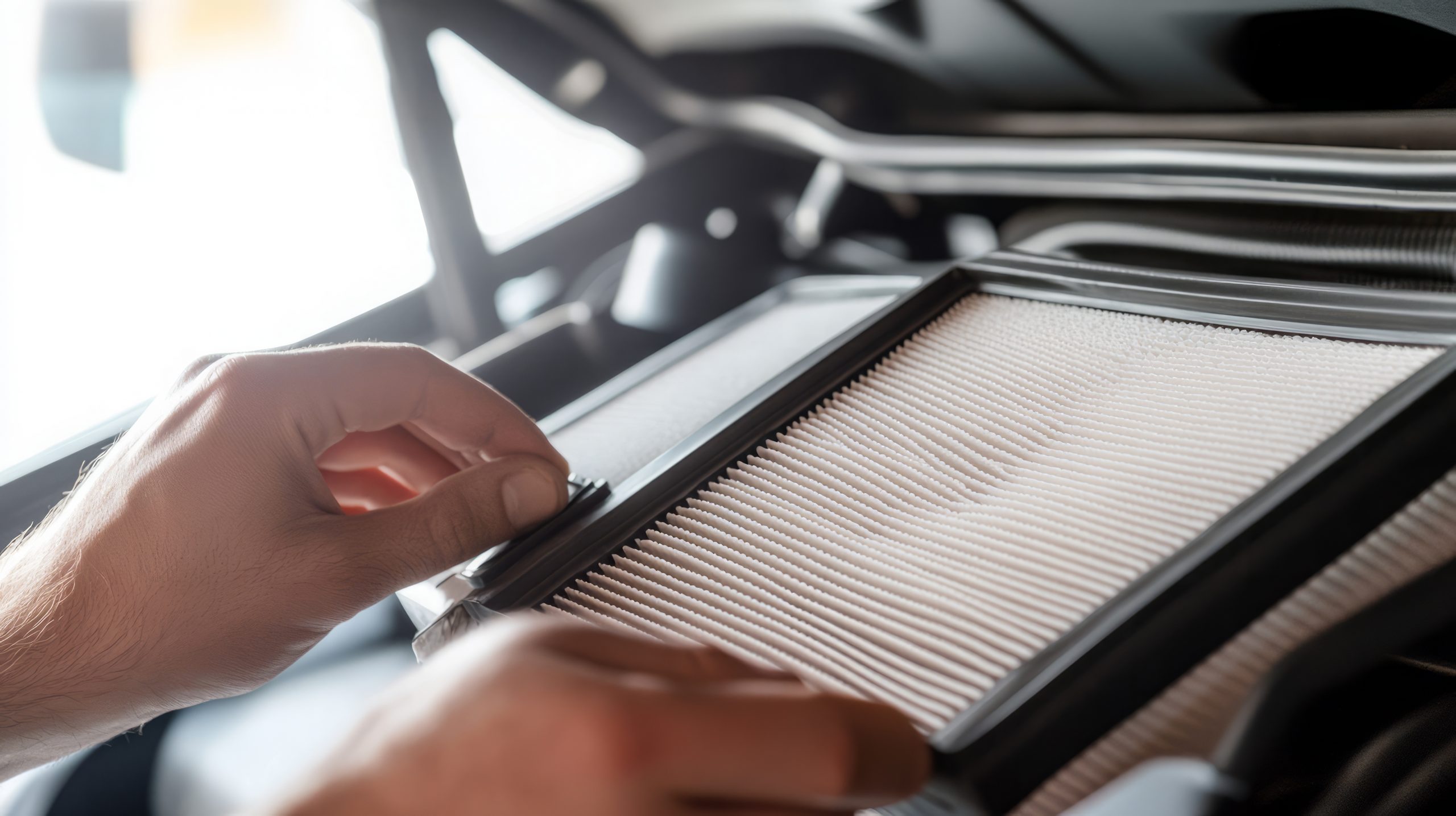
- Cabin air filter: Every 15,000 to 25,000 miles, or once a year. Drivers in high-pollen or high-pollution areas often benefit from changing it more frequently.
Mileage Isn’t the Only Clock
A common mistake is tracking filters by mileage alone. Time matters too. A vehicle that sits in a garage for months still accumulates dust in its air filters, moisture in its fuel system, and grime in its cabin filter. If you drive very few miles each year, switch to a calendar-based schedule — once a year is a sensible default for air and cabin filters regardless of distance.
The reverse is also true for high-mileage commuters. If you’re putting on 25,000 miles a year, a “once a year” rule could leave a filter in place far too long. Match the interval to whichever comes first: miles or months.
The Real Cost of Waiting Too Long
It’s tempting to stretch filters to save money, but the math usually works against you. A clogged air filter forces the engine to work harder and burn more fuel, so the savings on a delayed replacement get eaten up at the pump. A neglected oil filter risks circulating abrasive debris through the engine, where the eventual repair dwarfs the price of the filter. A saturated cabin filter strains the blower motor and degrades your air quality every single trip.
In nearly every case, replacing a filter on schedule is cheaper than the consequences of not doing so. Filters are designed to be sacrificial — they wear out so your expensive components don’t.
A Simple System That Works
You don’t need spreadsheets to stay on top of this. Tie your filter changes to events you already track. Replace the oil filter every oil change, and use that same visit to inspect the air and cabin filters. Once a year — pick a memorable date, like the start of spring — do a full filter review. Keep a note in your glovebox or phone of what was changed and when.
This rhythm catches most problems before they start and spreads the cost into small, predictable amounts rather than surprise repair bills.
When in Doubt, Look
Finally, trust your eyes. Pull the air filter and hold it up to the light — if you can’t see through it, it’s done. Notice weak airflow from your vents, hesitation when you accelerate, or a musty smell in the cabin, and you’ve got a filter telling you it needs attention. A schedule keeps you proactive, but your vehicle will often signal when something needs changing sooner.
Staying ahead of your filters is one of the simplest, highest-return habits in car ownership. It costs little, takes minutes, and quietly protects the parts that cost the most to replace.