 Fuel Filters
  Oil Filters
  Air Filters
 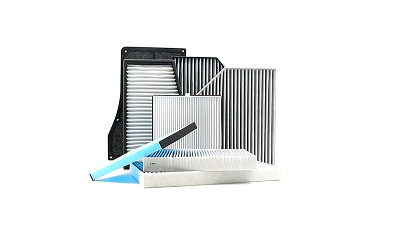 Cabin Filters
 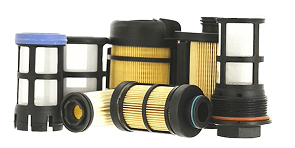 Other Filters
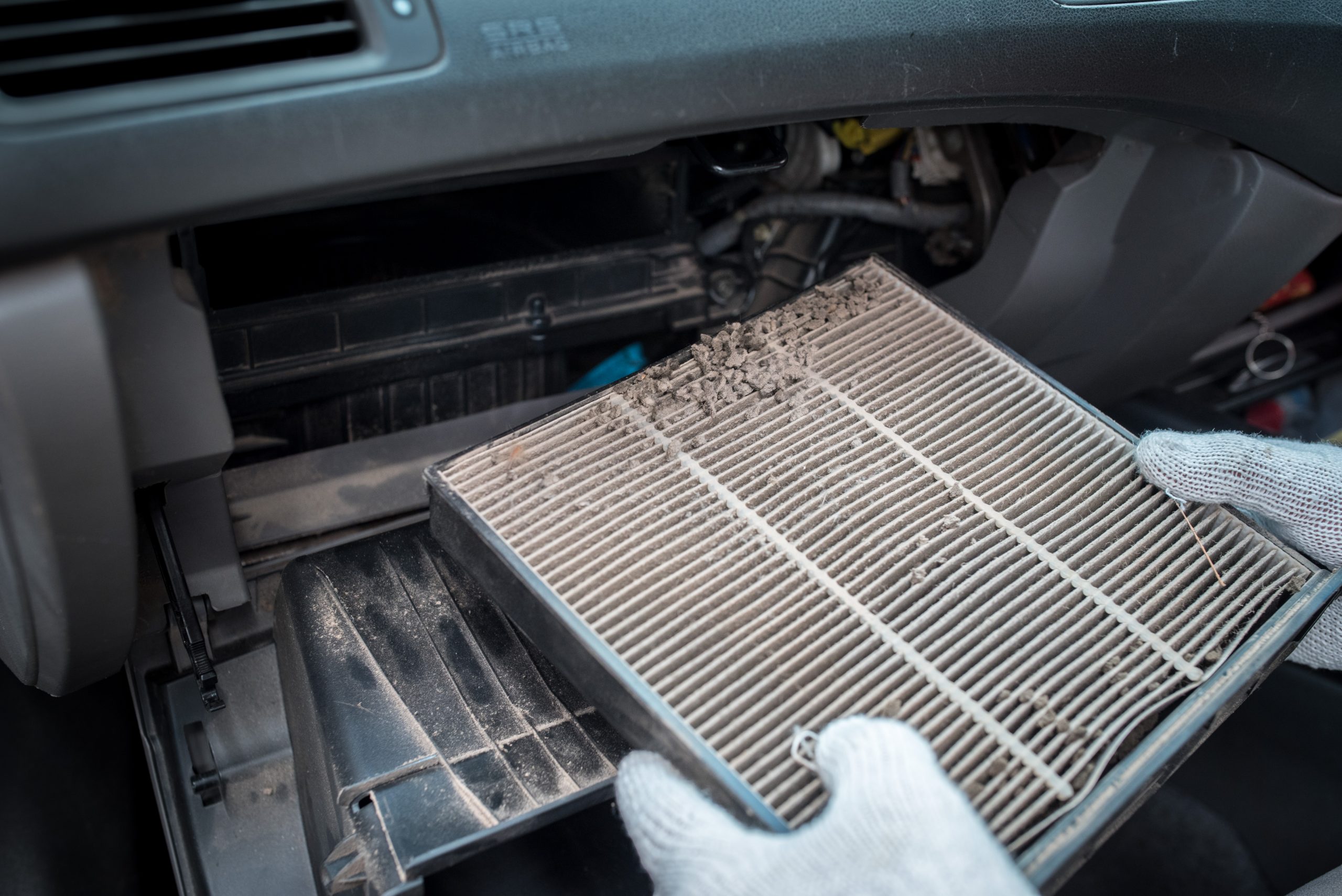
When it comes time to replace a filter, the temptation is obvious: they all look more or less the same, so why not grab the cheapest one on the shelf? It’s a reasonable instinct, and for a part that just “traps dirt,” it can feel like quality shouldn’t matter much. But the gap between a quality filter and a bargain one is wider than most drivers realize — and the difference plays out exactly where you can’t see it, deep inside your engine. Here’s what separates a good filter from a poor one, and why the cheapest option is often the costliest in the long run.
A Filter Is Only as Good as What It Catches — and What It Lets Through
The core job of any filter is a balancing act. It needs to capture contaminants effectively while still letting air, oil, or fuel flow freely. Get that balance wrong in either direction and you have a problem. A filter that doesn’t trap enough lets damaging particles reach sensitive components. One that restricts flow too much starves the engine of what it needs to run properly.
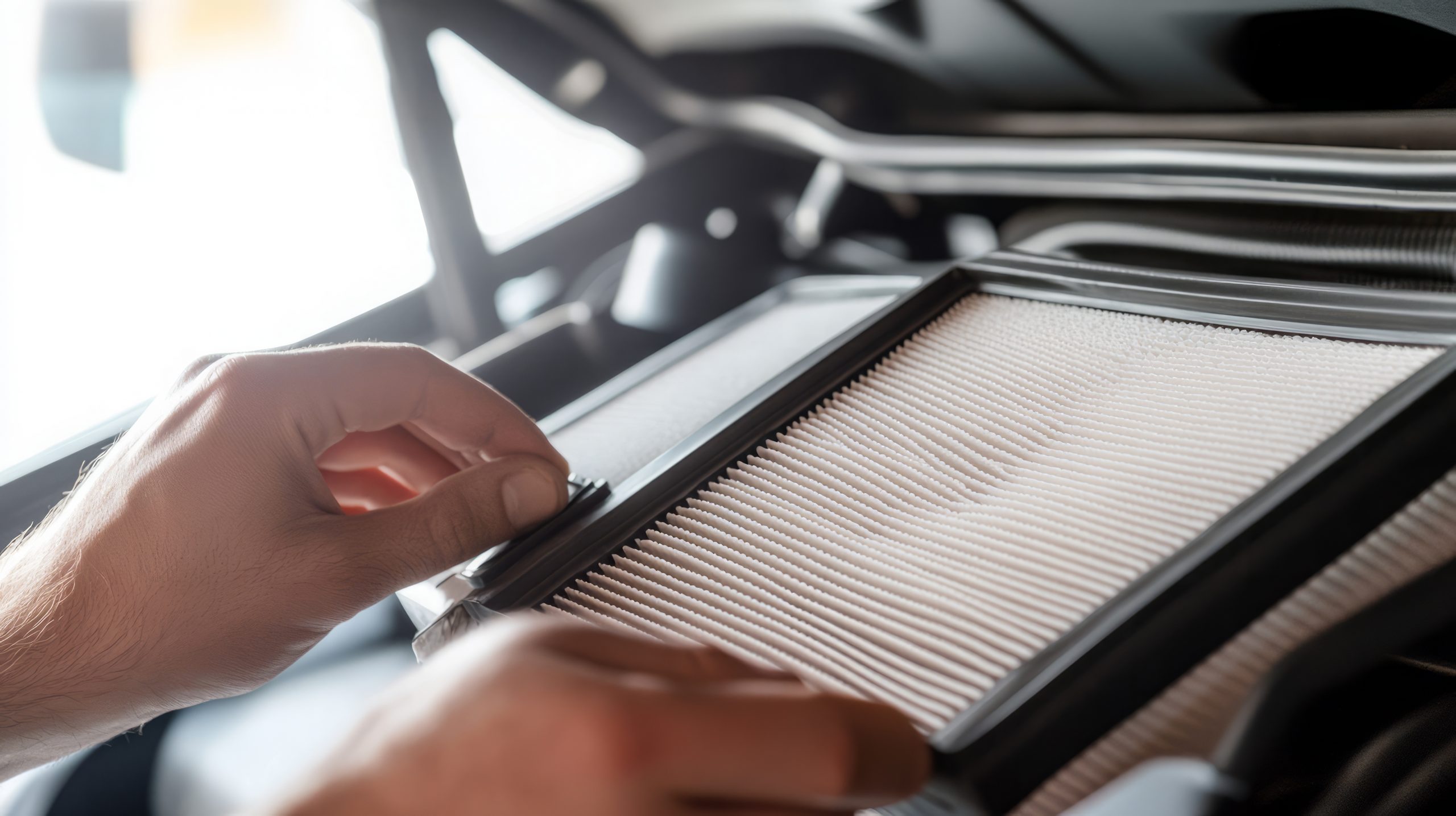
Quality filters are engineered to hit this balance precisely, using carefully designed filter media — the pleated material that does the actual filtering. Cheaper filters often cut corners here, using lower-grade media, fewer pleats, or looser construction. The result may look identical on the shelf but perform very differently under the hood, either letting contaminants slip past or choking off flow as it loads up.
Construction Quality You Can’t See
The differences go beyond the media itself. Consider an oil filter: inside that sealed metal can are components most people never think about — a bypass valve, an anti-drainback valve, an internal structure that has to hold up under constant pressure and heat. In a quality filter, these parts are built to tight tolerances with durable materials. In a cut-rate one, they may use weaker springs, thinner metal, or lower-grade seals.
These details matter enormously. A faulty anti-drainback valve can let oil drain out of the filter when the engine is off, causing a damaging dry start every morning. A bypass valve that opens too early sends unfiltered oil straight into the engine. A seal that fails under pressure can leak. None of this is visible from the outside, which is precisely why it’s so easy to underestimate.
The Real Math of Filtration
Here’s the calculation that should drive the decision. A premium filter might cost a few dollars more than a budget alternative. The components it protects — your engine, fuel injectors, or blower motor — cost hundreds or thousands to repair or replace. A filter that does its job for the full service interval protects that investment completely. A filter that fails early, sheds material, or lets contaminants through can quietly cause wear that doesn’t surface until much later, as a far larger bill.
Viewed that way, the price difference between a good filter and a cheap one is trivial compared to what’s at stake. You aren’t really buying a filter — you’re buying protection for everything downstream of it.
What to Look For in a Quality Filter
You don’t need to be an engineer to choose well. A few principles cover most situations:
- Match the specification. The single most important factor is choosing a filter built to your vehicle’s specification. The right size, thread, flow rating, and filtration level matter more than brand loyalty.
- Favor proven media and construction. Look for filters with adequate pleat count and quality media designed for your application. Reputable manufacturers publish efficiency ratings for a reason.
- Don’t chase the absolute lowest price. A meaningful discount is fine; a price that’s a fraction of everything else on the shelf is a signal to be cautious about what was sacrificed to get there.
- Buy from sources you trust. Counterfeit and substandard filters do exist, and they’re nearly impossible to spot by appearance alone. A trusted supplier is your best protection.
Quality Is an Investment, Not an Expense
The mindset that serves drivers best is to stop thinking of filters as a cost to minimize and start thinking of them as cheap insurance for expensive parts. The whole point of a filter is to be sacrificial — to absorb the wear and contamination that would otherwise reach components you genuinely can’t afford to replace casually. A filter that does that job reliably, for the full interval, is doing exactly what you paid for.
That’s the quiet logic behind every quality filter: it costs a little more today so that it can save you a great deal later. For a part that sits unseen and asks nothing of you between service intervals, it’s one of the smartest places in the entire vehicle to spend a few extra dollars.
When you choose your next filter, look past the sticker price and think about what it’s protecting. The right filter isn’t the cheapest one — it’s the one that lets you forget about it entirely, confident that everything behind it is being looked after.