 Fuel Filters
  Oil Filters
  Air Filters
  Cabin Filters
  Other Filters
Most drivers think about their engine, their tires, maybe their brakes. Almost nobody thinks about their filters — until something goes wrong. Yet filters are among the hardest-working components in any vehicle. They sit out of sight, trapping the contaminants that would otherwise grind down your engine, choke your performance, and shorten the life of expensive parts. Understanding what each one does is the first step toward smarter, cheaper car ownership.
Here is a clear look at the four filters every vehicle relies on, and why each one matters more than you might expect.
1. The Engine Air Filter
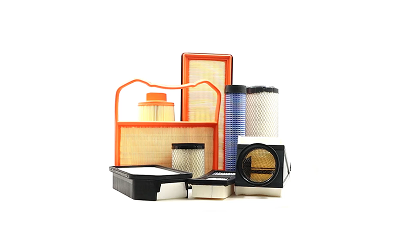
Your engine needs an enormous amount of air to run — roughly 10,000 liters of it for every liter of fuel burned. The engine air filter is what stands between all that incoming air and the combustion chamber, capturing dust, pollen, insects, and road grit before they reach sensitive internal parts.
When this filter is clean, air flows freely and combustion stays efficient. When it clogs, the engine has to work harder to breathe. The result is sluggish acceleration, reduced fuel economy, and in modern engines, sometimes a check-engine light triggered by a skewed air-fuel ratio. A fresh air filter is one of the cheapest ways to protect performance, which is exactly why it’s so often overlooked.
2. The Oil Filter
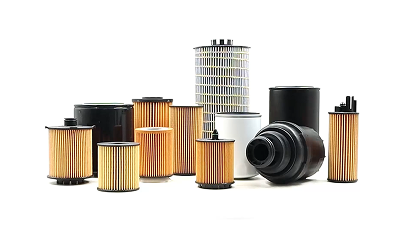
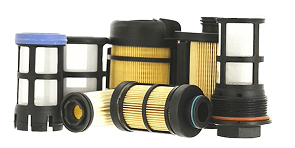
If the air filter protects what goes in, the oil filter protects what circulates throughout. Engine oil does more than lubricate — it carries away metal shavings, carbon, and microscopic debris generated by thousands of moving parts rubbing together. The oil filter’s job is to catch that debris before the oil recirculates and delivers it back into the engine.
A failing oil filter is genuinely dangerous for an engine. Once it clogs, many filters open a bypass valve so oil keeps flowing — but that oil is now unfiltered, carrying abrasive particles directly into the bearings and cylinder walls. This is why oil filters are almost always replaced with every oil change. Skipping it to save a few dollars is one of the costliest shortcuts a driver can take.
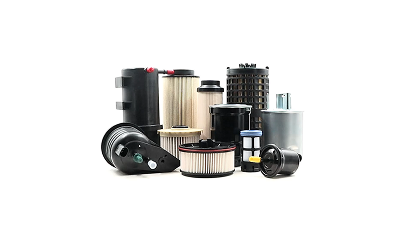
3. The Fuel Filter
Fuel is rarely as clean as it looks. Rust from storage tanks, sediment, and water can all find their way into the fuel system. The fuel filter screens these contaminants out before they reach the fuel injectors — precision components with openings so small that even fine grit can clog or damage them.
Symptoms of a struggling fuel filter include hesitation under acceleration, difficulty starting, engine sputtering at highway speeds, and a general loss of power when the engine is under load. Because modern injection systems operate under high pressure and tight tolerances, a clean fuel filter is essential to keeping combustion smooth and the injectors healthy.
4. The Cabin Air Filter
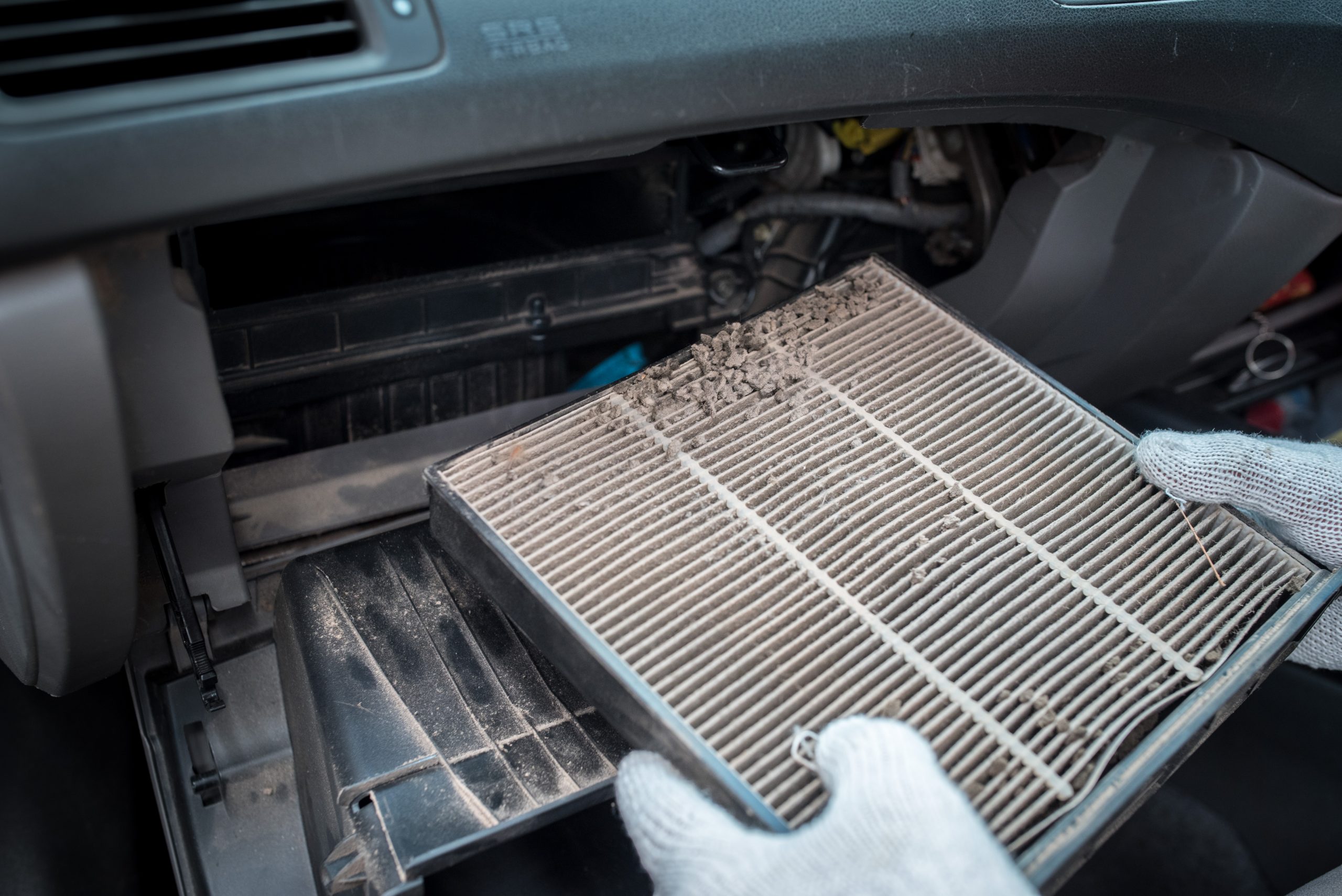
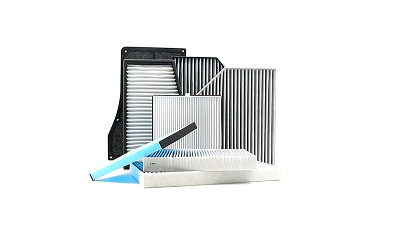
The first three filters protect your engine. The cabin air filter protects you. Positioned in the ventilation system, it cleans the air that flows through your dashboard vents, trapping pollen, dust, exhaust particulates, and other pollutants before they reach the people inside the car.
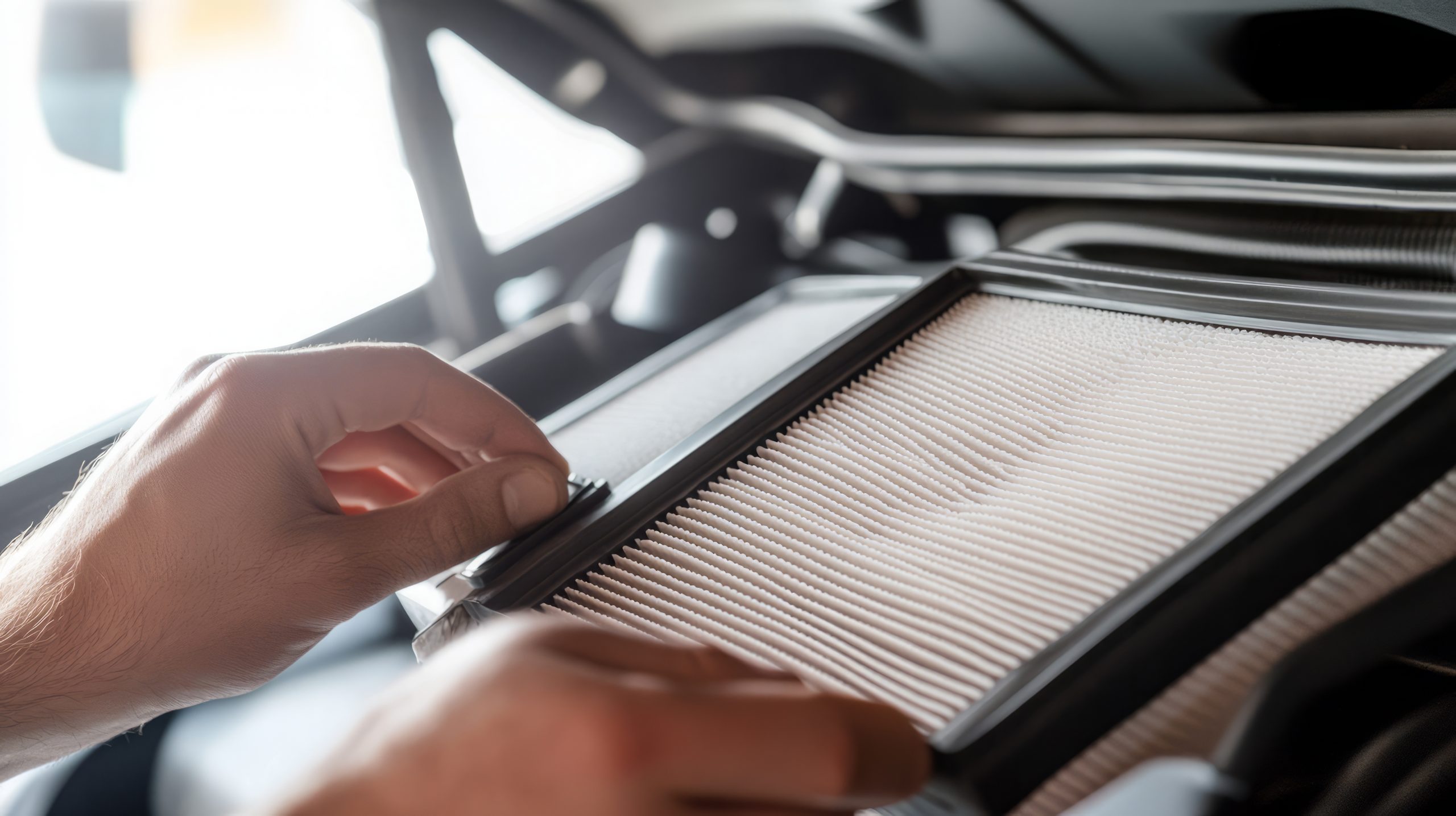
A neglected cabin filter is easy to spot once you know the signs: weak airflow from the vents even at high fan settings, a persistent musty or dusty smell, and fogging that takes longer than usual to clear. For drivers with allergies or anyone who spends long hours in traffic, this filter has a direct impact on comfort and air quality. It’s also one of the simplest to replace, often accessible behind the glovebox in just a few minutes.
Why It All Adds Up
Individually, none of these filters costs much. Together, they form a defensive system that determines how long your engine lasts, how efficiently it runs, and how comfortable the cabin feels. A clogged filter rarely fails dramatically — instead it quietly drags down performance and accelerates wear, so the cost shows up later as bigger repair bills.
The good news is that filters are among the most forgiving maintenance items to stay on top of. They’re inexpensive, widely available, and easy to track if you keep a simple service schedule. Treating them as routine rather than optional is one of the clearest dividing lines between vehicles that age gracefully and those that don’t.
If you’re unsure which filters your vehicle uses or when they were last changed, a quick check during your next service is well worth the few minutes it takes. Your engine — and your wallet — will thank you for it.